Peptides for Recovery
This category brings together peptides most often studied in the context of soft-tissue recovery — tendons, ligaments, muscle — after intense strain or injury. These are research compounds: they do not replace a doctor's advice and are not medicinal products.
View peptides
What's studied in this category
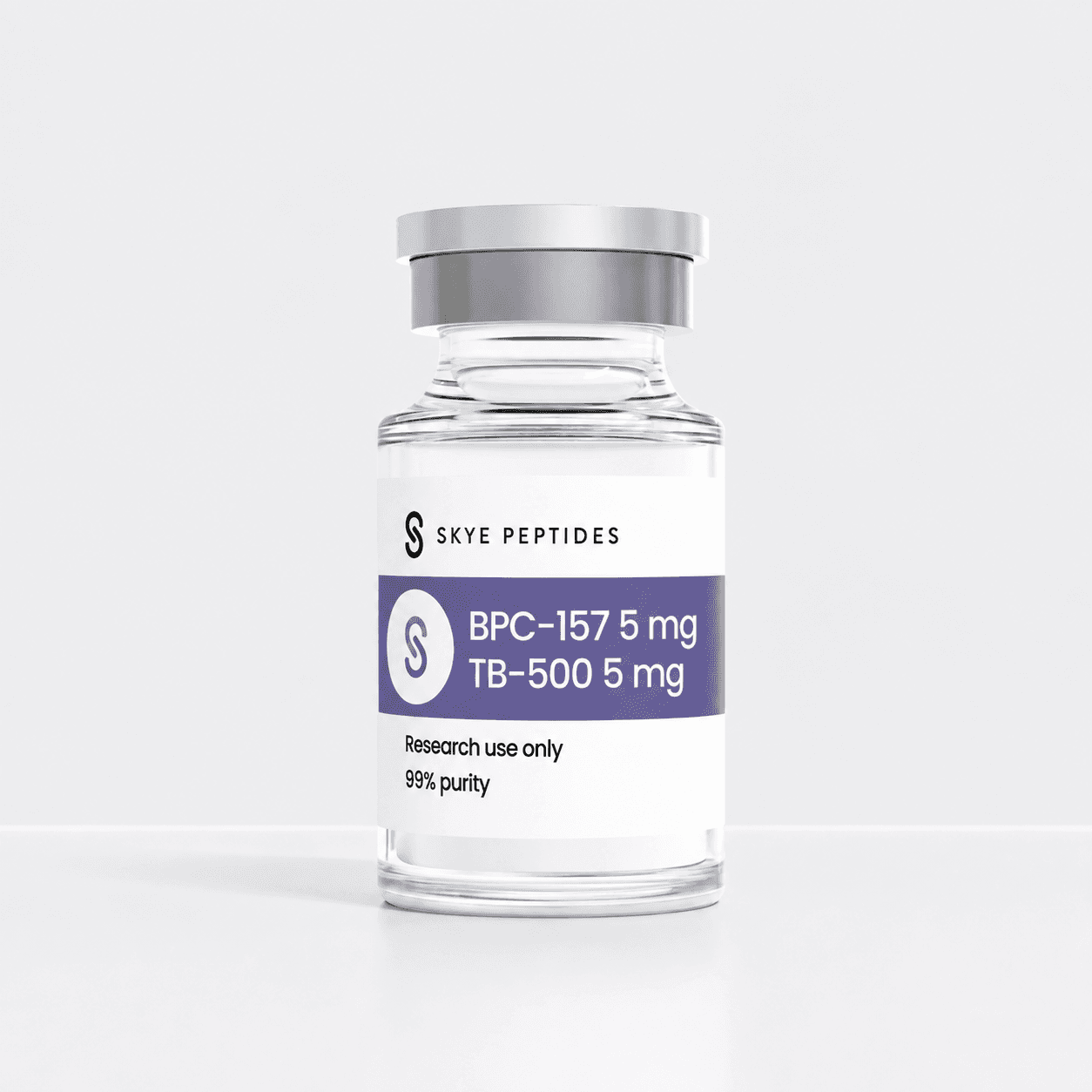
The two most discussed compounds are BPC-157 and TB-500. They have different mechanisms: preclinical work links BPC-157 to angiogenesis (new capillary formation) and modulation of NO signaling, while TB-500 — a synthetic fragment of thymosin beta-4 — affects cell motility through actin binding. Because their mechanisms don't overlap, they're often discussed as complementary in research protocols rather than interchangeable.
Most of the available data for both compounds comes from animal models (rodents) and cell cultures — controlled studies in humans are far scarcer in the open literature. That matters when weighing any efficacy claims.
What to weigh when choosing
For research purposes, batch purity (usually stated in a certificate of analysis, COA), storage prior to purchase, and delivery conditions all matter — peptides are sensitive to temperature and light. Ask the supplier for a COA for the specific batch, not just for the compound in general.
What to consider
- Different mechanisms — BPC-157 and TB-500 don't duplicate each other
- Most data is preclinical, not controlled human trials
- Ask for a certificate of analysis (COA) for the specific batch
- Temperature-controlled storage and transport are critical for stability
Exact prices, dosages, and availability are in the Telegram catalog.
Open in Telegram