Peptides for Performance
This category covers compounds studied in relation to physical performance, energy metabolism recovery, and mitochondrial function. It spans peptides with very different mechanisms — from growth-hormone secretagogues to mitochondrially-encoded peptides.
View peptides
Growth hormone secretagogues
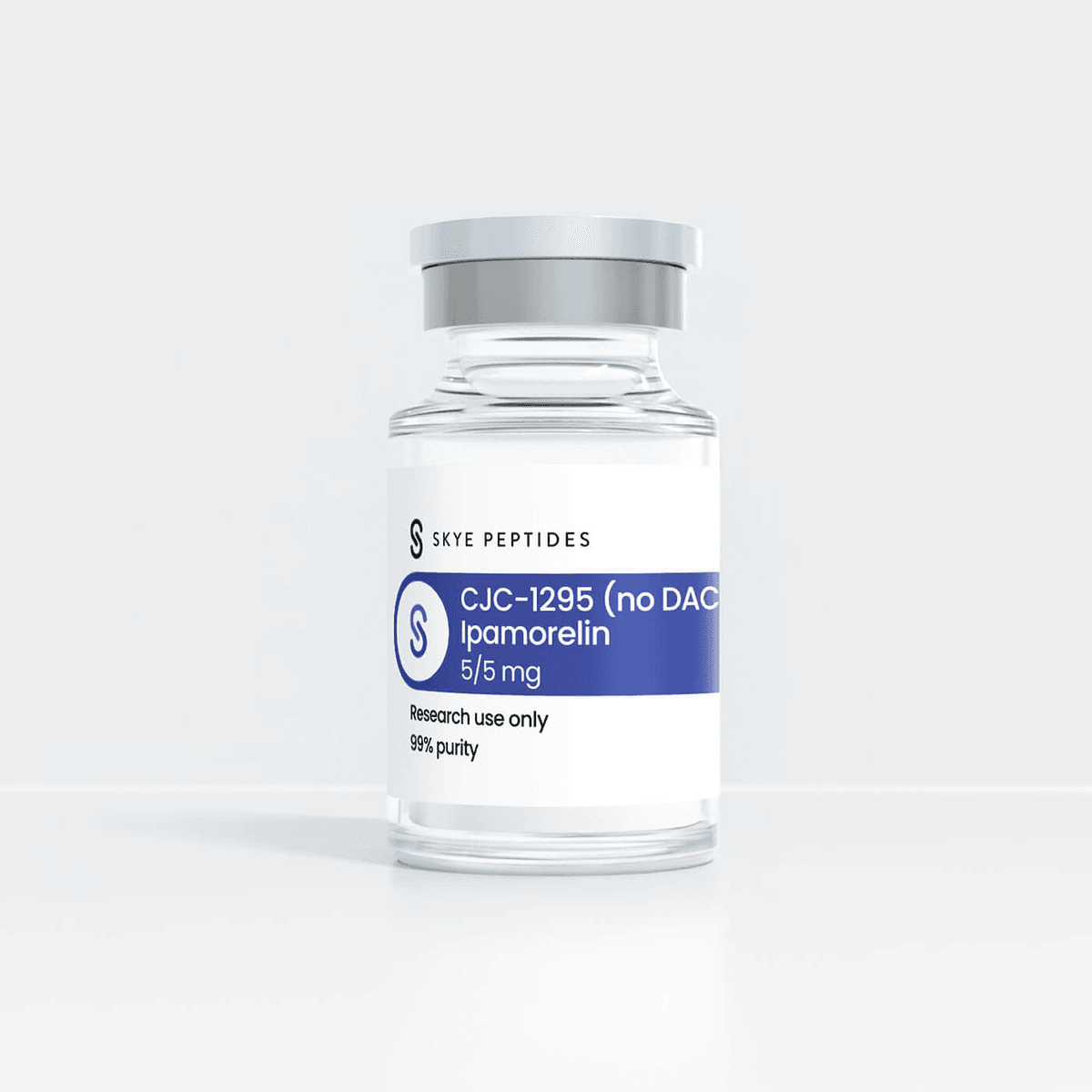
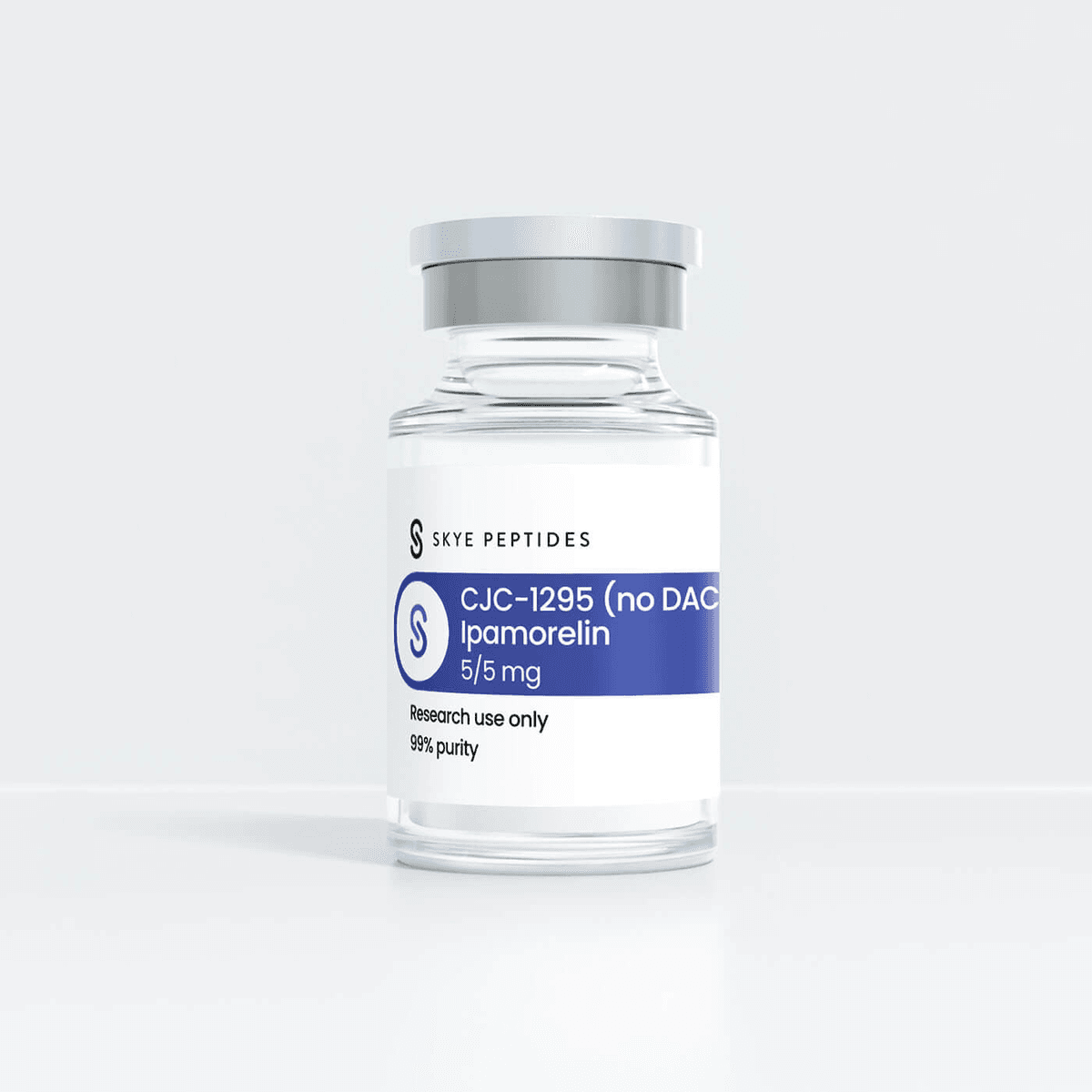
CJC-1295 is a long-acting analog of growth hormone-releasing hormone (GHRH); Ipamorelin is a selective growth hormone secretagogue described in preclinical work as having a "gentler" profile than older compounds in the same class, with minimal effect on cortisol and prolactin. The two are often discussed together in the research literature because they act on different receptor pathways of the same process — pituitary growth hormone secretion.
Mitochondrial peptides
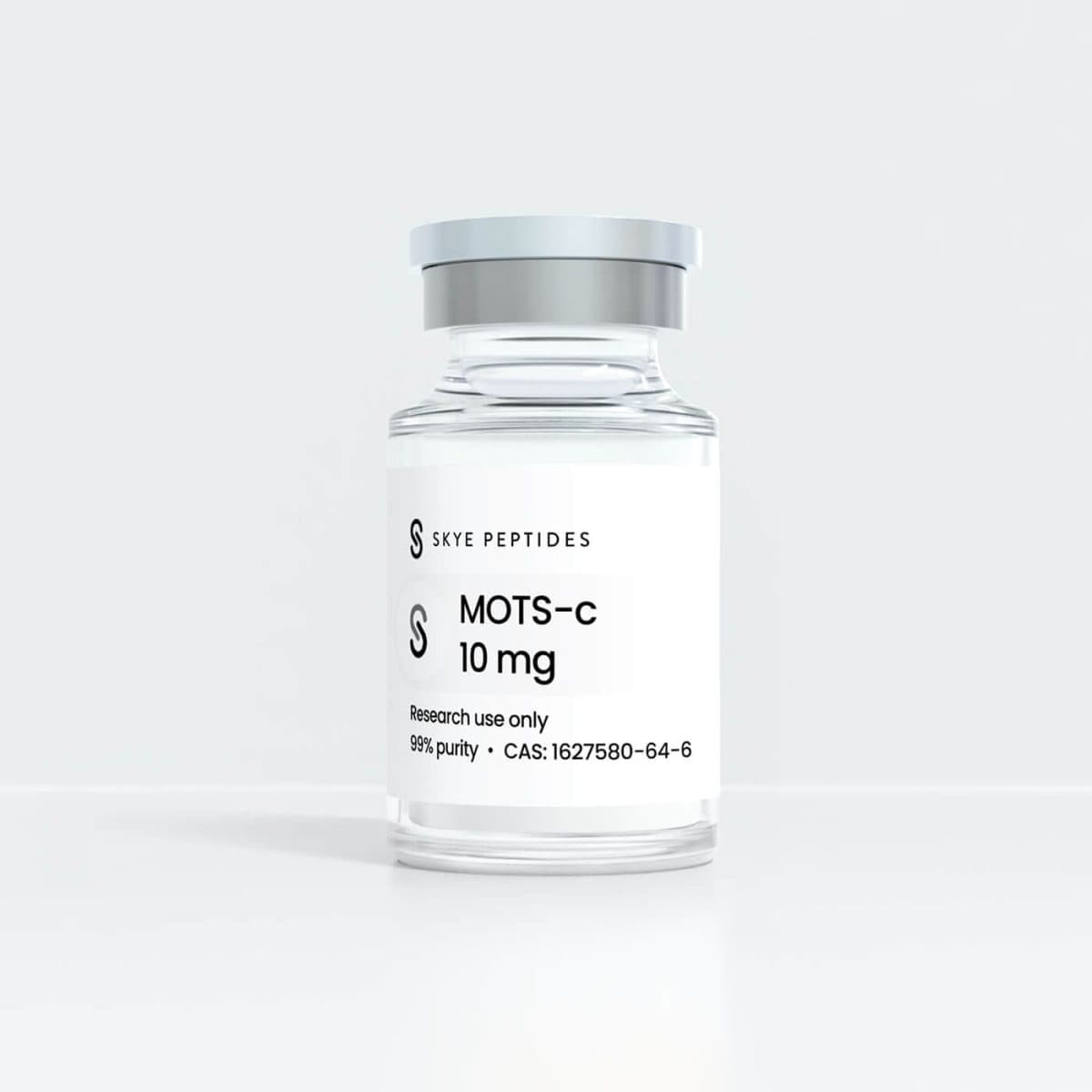
MOTS-c is a peptide encoded by mitochondrial DNA (the 12S rRNA region). In mouse studies it's linked to AMPK signaling regulation, insulin sensitivity, and glucose and fatty-acid metabolism; MOTS-c levels in human muscle and blood have been observed to rise with physical activity. That makes it one of the few peptides in the catalog with an observed link between endogenous production and physical activity — which is not the same as a proven effect from external administration in humans.
What to consider
- CJC-1295 and Ipamorelin act on different receptors of the same process
- MOTS-c is the only peptide in the category with a described link to physical activity in humans
- Human-effect data is limited; most of it comes from animal and cell studies
- Confirm storage conditions and batch COA before ordering
Exact prices, dosages, and availability are in the Telegram catalog.
Open in Telegram